

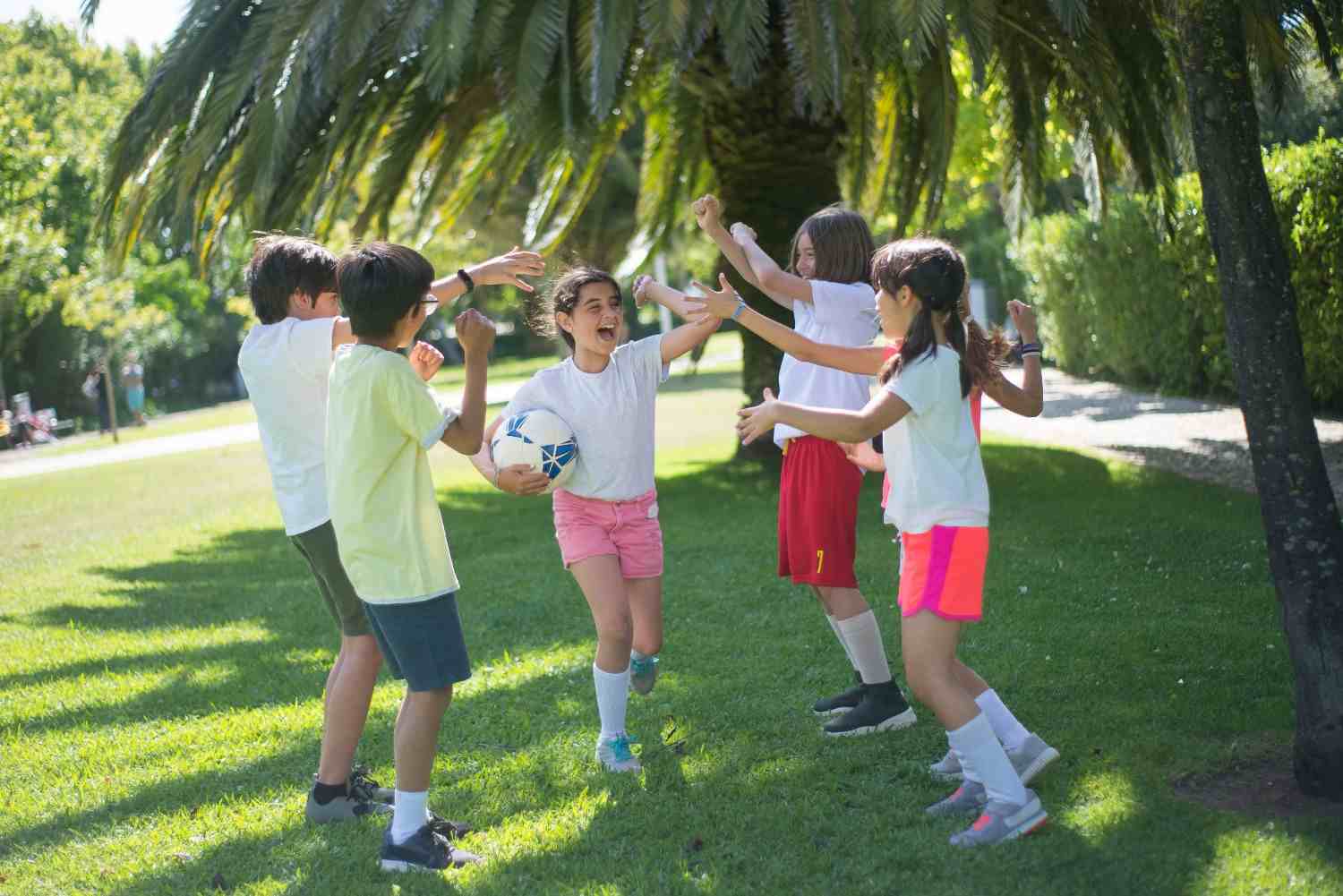
Many parents wonder how the benefits of physical activity for children can support growth while making movement fun. Active play can strengthen bones and muscles while helping the heart work well. It may also support mood, brain function, confidence, and positive social skills. Regular movement can help children build healthy habits as they grow.
Boomerang Play Center gives children enjoyable ways to move, explore, and connect with others. This article explains how activity supports physical health, emotional well-being, learning, and social development. It also shares simple ways parents can encourage movement through safe, age-appropriate play. Families can use these ideas to make active time easier, more engaging, and part of a balanced routine.
What Are the Benefits of Physical Activity for Children?
Children gain many benefits of physical activity for children when they move, play, and try new tasks. Regular movement builds strong bodies and supports healthy minds.
Physical health
Active play makes bones, muscles, the heart, and lungs stronger. It also helps children keep a healthy weight.
Mental health
Movement can lift a child’s mood and ease stress. Fun games also give children a safe way to use energy.
Brain development
Physical activity helps the brain stay active and alert. Children may find it easier to think, focus, and remember facts.
School performance
Regular movement may help children listen and finish school tasks. It can also help them manage extra energy in class.
Motor skills
Running, jumping, throwing, and climbing improve balance and control. These skills help children move with more ease and trust.
Social development
Group activities teach children to share, listen, and take turns. They also build confidence through teamwork and kind support.
How Does Physical Activity Support Physical Health?
Regular movement helps children grow strong and feel full of energy. Active play works many parts of the body at once. It can support the bones, muscles, heart, lungs, and overall health. Children can gain these results through fun and safe activities.
Stronger Bones and Muscles
The benefits of physical activity for children include stronger bones and muscles. Running, jumping, and climbing make the body work against weight. This work helps growing bones gain strength. These actions also use the legs, arms, back, and core. Active play helps children use many muscle groups as they move in new ways.
Better Heart and Lung Fitness
Parents can see the importance of physical activity for children during games that keep kids moving. Fast play makes the heart beat faster. It also makes the lungs work harder. Regular movement can help both organs do their jobs well. Children may build more stamina, so they can play longer without feeling tired too soon.
Healthy Weight Support
Physical activity helps the body use energy from food. It also supports steady growth and a healthy weight. However, active play offers more than weight support. It can help children feel strong, fit, and ready to move. Parents should focus on health and fun instead of body size or looks.
Lower Long-Term Health Risks
Regular activity may help lower some health risks as children grow. These risks can include type 2 diabetes and high blood pressure. Movement can also support heart health and help the body use sugar well. Physical activity cannot stop every health problem. Still, it forms one part of a healthy life. Sleep and good food also support a child’s health.
How Can Active Play Improve Movement Skills?
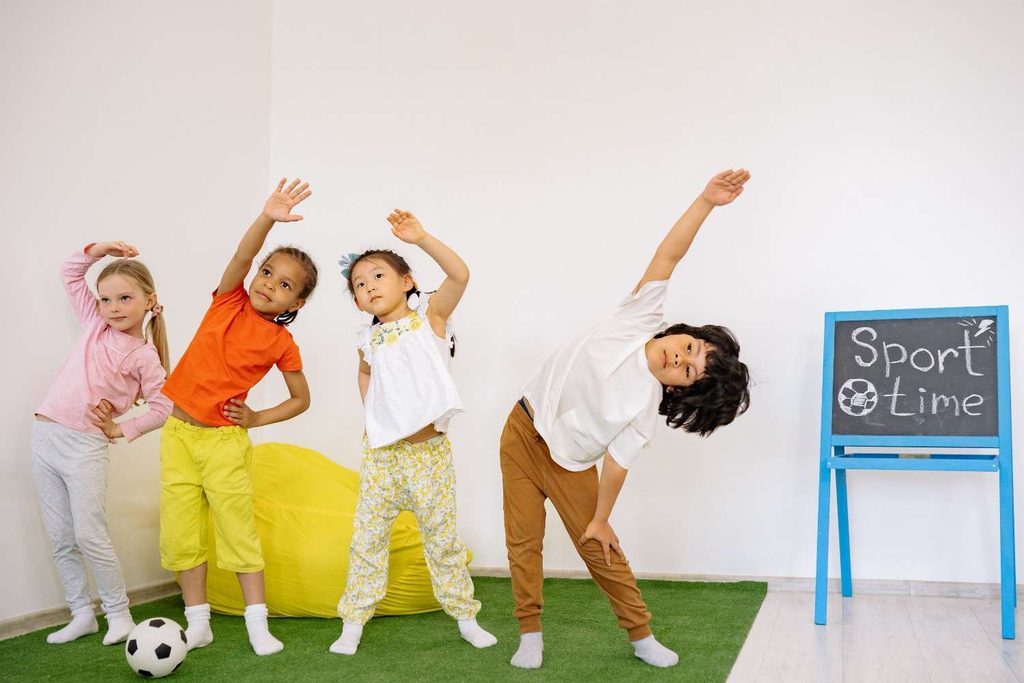
The benefits of physical activity for children include better movement and body control. Active play helps children test how their bodies move. They learn these skills as they climb, crawl, dance, throw, and jump.
The importance of physical activity for children becomes clear as their skills grow. Children may feel more at ease during games, sports, and school tasks. Regular practice can also build trust in their own skills.
- Balance: Climbing and jumping help children stay steady. Good balance can help prevent falls during active play.
- Coordination: Throwing and catching teach the eyes, hands, and arms to work together. Dancing also helps the body follow a beat.
- Agility: Running and changing direction help children move with speed and care. Games can make this skill fun to practice.
- Body control: Crawling, climbing, and dancing teach children how to guide each movement. They also learn when to slow down or stop.
- Spatial awareness: Active play helps children learn where their bodies fit. They learn how to move around people, walls, and play gear.
- Fine and gross motor skills: Large moves build gross motor skills in the arms, legs, and core. Small hand tasks support fine motor skills. Both skill types help children play, write, dress, and complete school tasks.
What Are the Mental and Emotional Benefits?
Active play can support a child’s mind and feelings. It gives children a fun way to move, learn, and use energy. Regular movement may also help them feel calm, proud, and ready for new tasks.
Improved Mood
A better mood is one of the benefits of physical activity for children. Movement helps the body release chemicals called endorphins. These chemicals can help children feel good and calm. Active games also give children a healthy way to use extra energy.
Less Stress and Worry
Play gives children a break from schoolwork, screens, and other sources of stress. Fun movement can shift their focus to a simple and enjoyable task. It may also help them feel more relaxed. However, physical activity does not cure anxiety or depression.
Greater Confidence
Learning a new skill can help children feel proud of their progress. A child may gain confidence after finishing a course or climbing with care. Learning a dance can also build trust in their own skills. Small wins may help children feel ready to try harder tasks.
Better Emotional Control
Games teach children how to handle many feelings. They may feel joy after a win or sadness after a loss. Play also teaches them to wait, follow rules, and learn from mistakes. These lessons can help children stay calm during delays and hard tasks. Support from adults can make each lesson feel safe and fair.
How Can Group Play Help Children Connect?
The benefits of physical activity for children also include stronger social skills. Group play lets children meet others in a natural way. They can talk, solve small problems, and work toward the same goal. These moments help children feel more at ease around new people.
Our school field trip activities in Atlanta give children fun ways to move and connect. Games with set rules teach them to listen and work as a group. Free play also lets children use ideas and make choices. Both types of play can support social growth.
Children can practice these useful skills:
- Taking turns
- Sharing
- Teamwork
- Clear communication
- Respect for rules
- Conflict management
- Encouraging others
Where Can Kids Move, Play, and Have Fun?
Boomerang Play Center is our indoor active entertainment center in Atlanta. Families searching for an indoor playground in Marietta, GA can also consider nearby Atlanta-area play options for active family fun. We welcome children ages 0 to 14 with games and attractions that encourage movement, exploration, and safe play.
Fun Ways to Move
Families can explore our attractions in Boomerang before planning a visit. Our Robo-themed play area gives children space to climb and move. Climbing can support strength, balance, and body control. The Robo inflatable slide also adds movement and fun.
Active Challenges
Our Junior Ninja Warrior course lets children face fun physical tasks. Obstacle play can test balance, speed, and control. Children can also build trust in their skills as they finish each part.
Play for Younger Children
The importance of physical activity for children applies to young kids as well. Our interactive toddler play arena offers play that fits smaller children. It gives them space to crawl, walk, explore, and move at a safe pace.
Dance and Ball Activities
Our interactive dance floor helps children move to sounds and lights. Dancing can support movement, rhythm, and self-expression. The digital ball wall lets children throw balls at bright targets. Ball games may help with timing and hand-eye control.
Parties and Group Fun
Families can plan an indoor kids birthday party with active games and shared fun. Children can move, laugh, and enjoy time with family and friends.
Planning Your Visit
We offer all-day admission, so families can enjoy more play time. Guests may leave for lunch or a nap and return later. Parents can check our FAQ page for more visit details. All guests must wear socks and sign a waiver before entering the play areas.
Ready to Make Active Play More Fun?
The benefits of physical activity for children can start with play that feels fun and exciting. Boomerang Play Center gives kids ages 0 to 14 many ways to move and explore.
Parents can review our Boomerang Play Center safety standards before planning a visit. Please contact us for help with passes, memberships, parties, or group visits.